How Your Bedding Affects Your Sleep (More Than You Think)
Most conversations about sleep focus on the same things: sleep schedule, blue light, caffeine, stress. All valid. But there's something physically surrounding you for eight hours a night that almost never gets mentioned — your bedding.
What your sheets, blankets, and covers are made from directly affects your body temperature through the night, the air you breathe while you sleep, and whether your skin is spending hours in contact with chemical residues or clean natural fibre.
Temperature Regulation: The Biggest Sleep Disruptor You're Ignoring

Your body cools itself as you fall asleep. Core temperature drops by one to two degrees Celsius in the early stages of sleep — a process that signals to your brain that it's time to rest. If your bedding traps heat and prevents that temperature drop, your body struggles to enter the deeper stages of sleep.
This is why so many people who switch from polyester or synthetic-blend bedding to natural cotton report sleeping more deeply and waking less frequently. It's not placebo — it's thermoregulation.
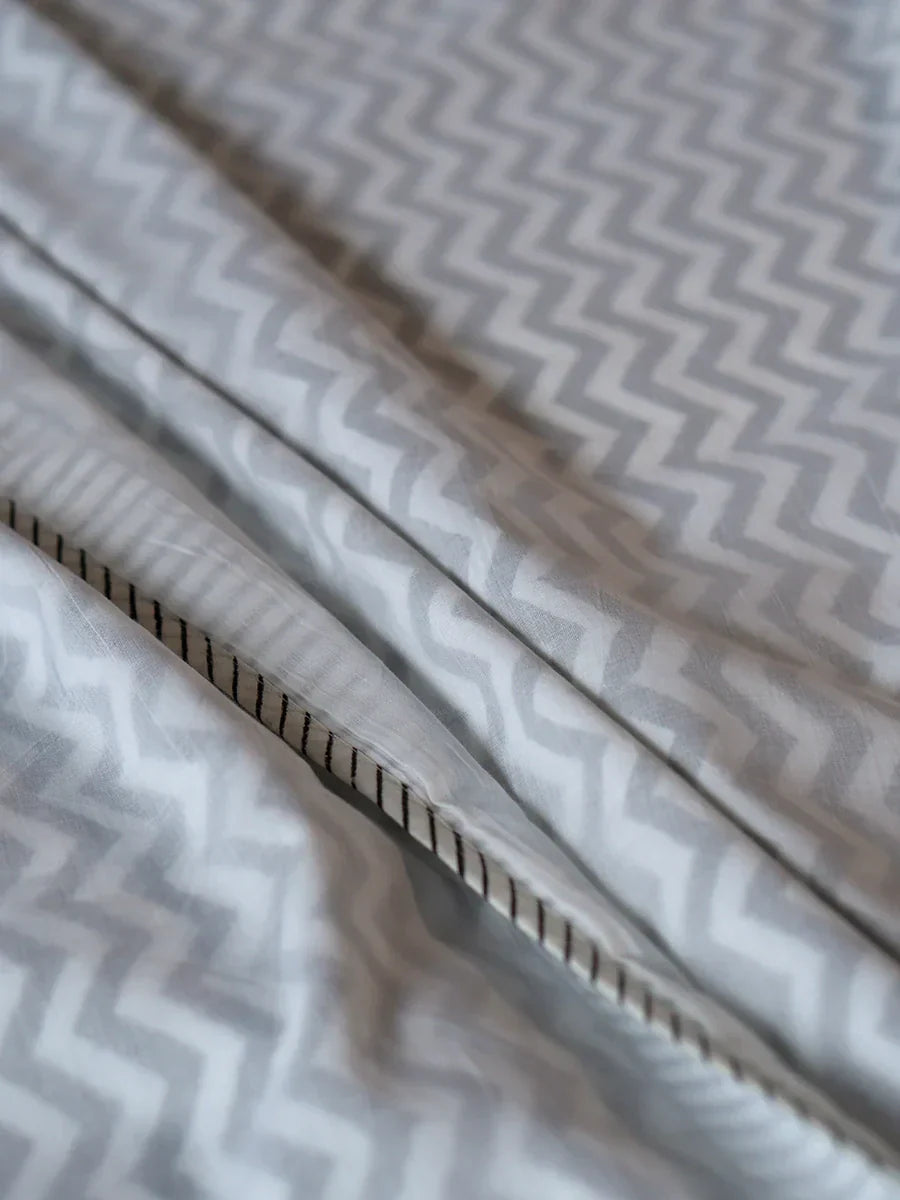
Organic cotton — particularly loose-weave structures like muslin — excels at this. The open fibre structure allows air to circulate, moisture to wick away from the skin, and body heat to dissipate naturally. Your temperature drops as it should, and you sleep as deeply as you're capable of sleeping.
Synthetic materials do the opposite. Polyester traps heat, creates a microenvironment of warmth around your body, and interrupts the natural temperature drop that deep sleep requires.
What You're Actually Breathing While You Sleep
Conventional bedding — even cotton bedding that isn't certified organic — is processed with a range of chemicals: formaldehyde-based wrinkle-resistance treatments, synthetic dyes, flame retardants, optical brighteners. These chemicals don't disappear when the fabric is washed. Many are designed to bind permanently to the fibre.
As you sleep, your body heat causes these substances to off-gas — releasing volatile organic compounds (VOCs) into the air directly around your face. For people with asthma, respiratory sensitivities, or chemical allergies, it can be the difference between sleeping well and waking up congested, irritated, or foggy.
Organic cotton, processed without synthetic finishes and dyed with natural dyes, doesn't off-gas. There's nothing to release. The air around your face is just air.
Skin Contact: Eight Hours Is a Long Time

Your skin is in contact with your sheets for roughly a third of your life. Conventional cotton bedding is often finished with chemical softeners, anti-static treatments, and synthetic dyes — all in constant contact with your skin.
For people with eczema, psoriasis, sensitive skin, or chemical sensitivities, this is a known irritant. Organic cotton — grown without synthetic pesticides and processed without harsh chemical finishes — simply doesn't have this problem. The fibre is what it is: cotton. Nothing added, nothing to react to.
Customers who switch to organic cotton bedding consistently report that skin irritation improves, particularly around the face, neck, and arms — the areas in most direct contact with pillowcases and sheets.
The Softness Factor: Why It Actually Matters for Sleep
Organic cotton fibres are longer and less damaged than conventionally processed cotton. They produce a softer, more consistent surface texture. When your bedding feels genuinely pleasant against your skin, your nervous system gets a subtle signal that it's safe to relax.
Muslin and mulmul — the lighter, airier weaves in our range — have a particular quality that people often describe as "feeling like nothing." That absence of sensation is, paradoxically, deeply relaxing. There's no friction, no weight, no warmth to register. Just the quiet sensation of being covered.
Practical Changes Worth Making

You don't have to replace everything at once. The highest-impact changes, in rough order of priority:
- Pillowcases first. Your face is in direct contact with your pillow for hours. This is the highest-exposure item in your bed. Swap conventional pillowcases for organic cotton ones and notice the difference within a week.
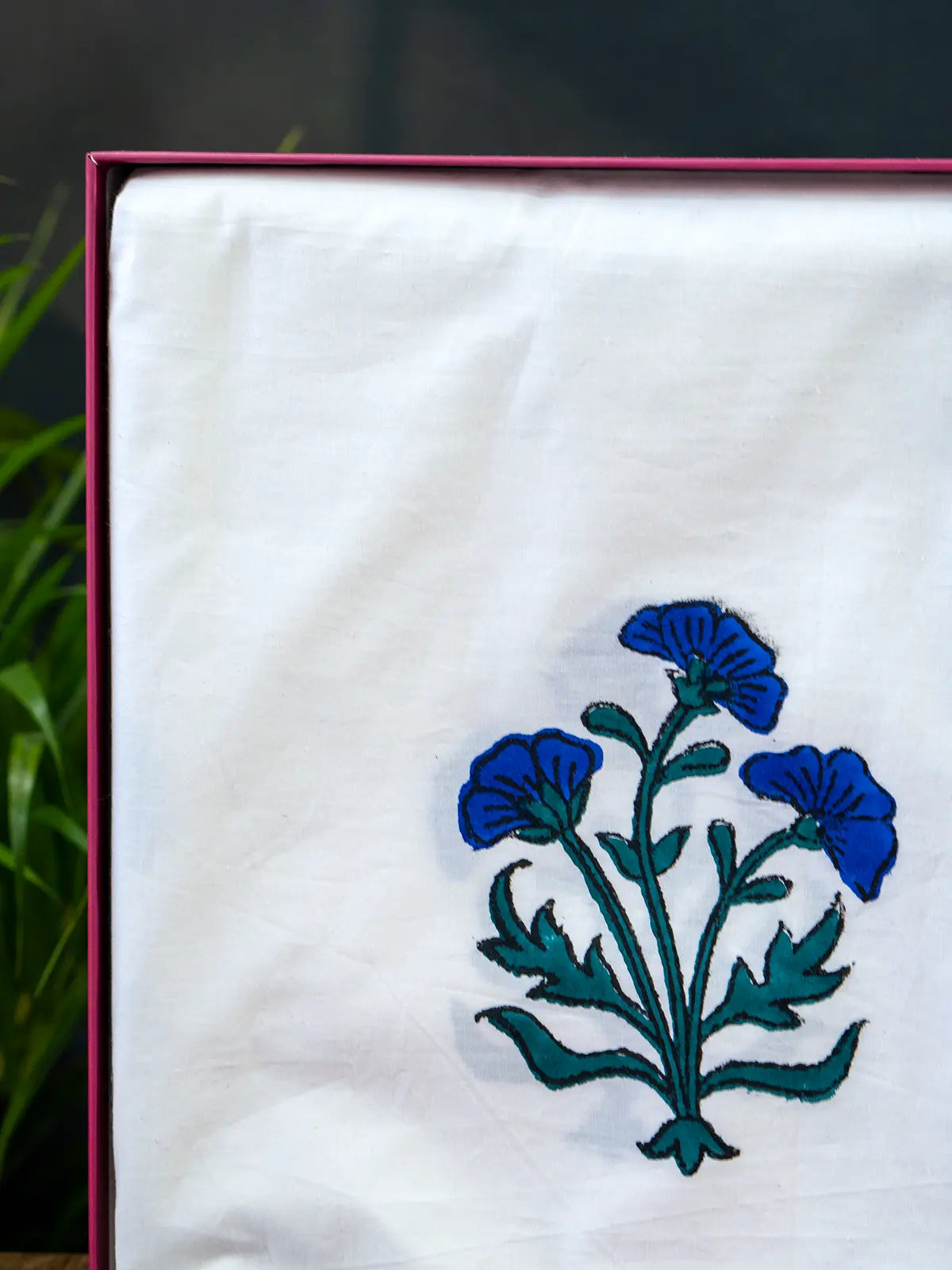
- Sheet set next. The fitted sheet and flat sheet are in contact with your skin all night. Our 350 TC organic percale sheet sets are the place to start — crisp, cool, breathable, and free of synthetic finishes.
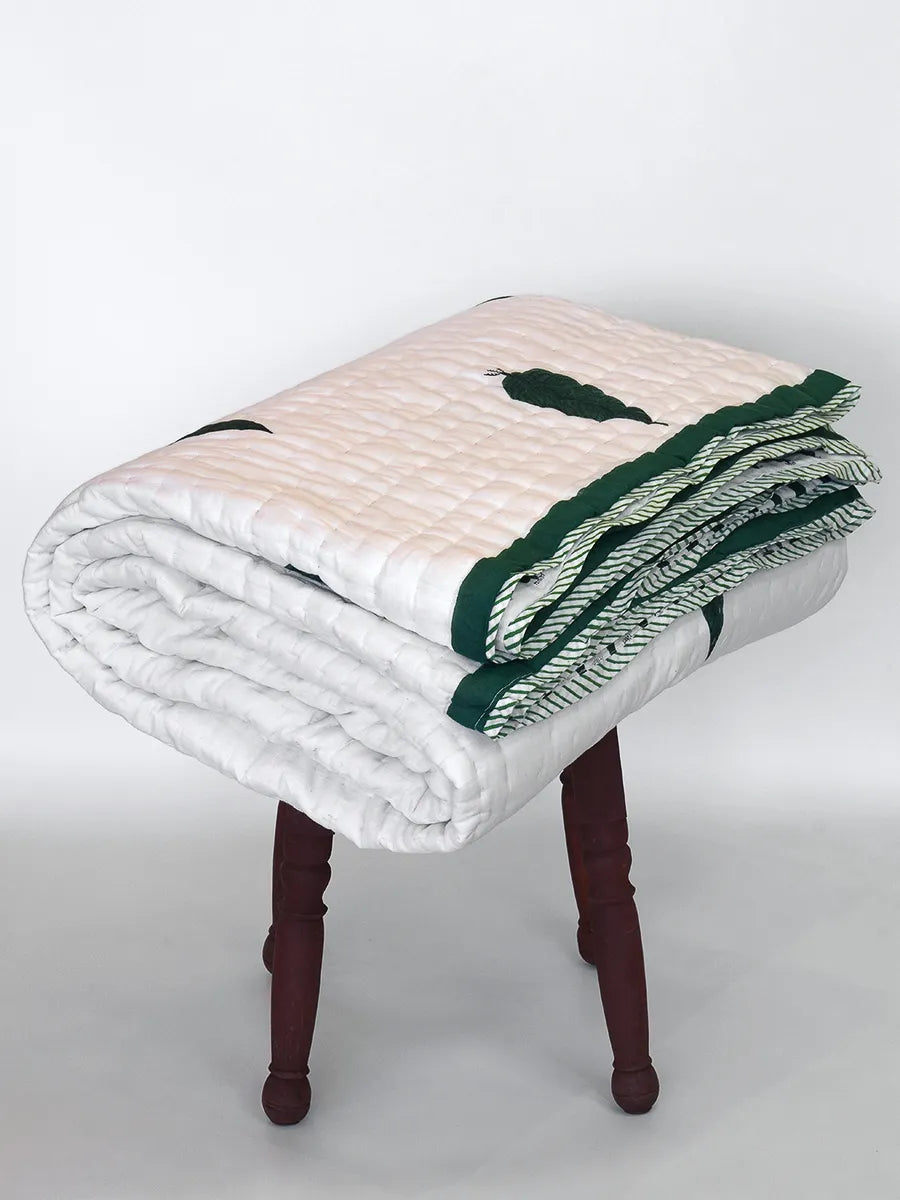
- Top layer last. Blankets and quilts are in less direct contact with skin, but their thermal properties still matter. A muslin dohar for warm nights, a handstitched quilt for cooler ones.
Sleep is the foundation of everything else — your mood, your focus, your health, your energy. It's worth building that foundation on something clean.